Optimizing Office Space to Increase Productivity
Modern workplaces are evolving, and with that evolution comes a growing emphasis on how office space can be optimized to increase productivity. It’s no longer enough to simply provide a desk and chair. Today’s professionals expect environments that support focus, creativity, and well-being. Whether you're managing a startup, redesigning a corporate office, or working from home, the physical and visual layout of your workspace plays a crucial role in how efficiently you can work.
Why Office Design Matters More Than Ever
The shift toward flexible work models has redefined how we think about office environments. With hybrid and remote work becoming more common, the traditional office must now serve as a hub for collaboration rather than just individual tasks. This means that every square foot of office space should be intentionally designed to encourage interaction, reduce distractions, and promote mental clarity.
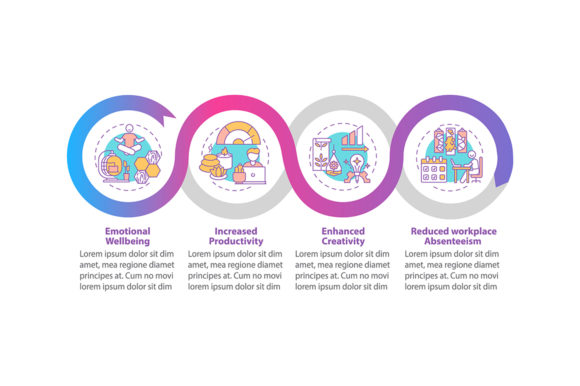
Designing office space to increase productivity isn't just about aesthetics—it's about function. A well-designed workspace can reduce stress, improve communication, and even lower absenteeism. The key is to create a balance between open collaboration areas and quiet, focused work zones, all while integrating elements that support both physical and cognitive comfort.
Biophilic Design: Bringing Nature Indoors
One of the most impactful trends in modern office design is biophilia—the integration of natural elements into built environments. Studies have shown that incorporating plants, natural light, and organic materials into office spaces can significantly improve mood, concentration, and overall job satisfaction.
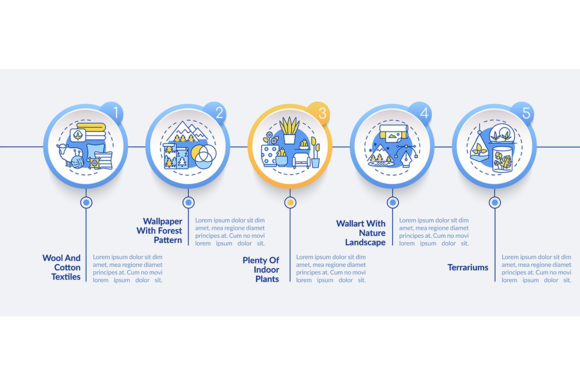
When using an Office Space to Increase Productivity vector infographic template, biophilic design elements can be visually represented to highlight the benefits of greenery, natural textures, and ambient lighting. These visuals not only enhance presentations but also help stakeholders understand the psychological and physiological advantages of nature-infused office layouts.
Five Key Steps to Improve Office Productivity Through Design
Designing a productive workspace doesn’t have to be overwhelming. The Office Space to Increase Productivity infographic template includes a five-step data visualization that simplifies the process into actionable insights:
- Assess Workflow Needs: Understand how teams interact and what kind of spaces they require—open collaboration, private focus, or hybrid zones.
- Integrate Biophilic Elements: Add plants, natural materials, and daylight to reduce stress and enhance cognitive function.
- Optimize Layout: Arrange furniture to support movement, accessibility, and intuitive flow between work areas.
- Implement Technology Integration: Ensure seamless connectivity and ergonomic tech setups to support modern workflows.
- Provide Flexibility: Offer modular furniture and adaptable environments that can evolve with changing team dynamics.
Visualizing the Office Redesign Process
A well-crafted process timeline chart included in the Office Space to Increase Productivity template helps visualize the transformation from concept to execution. This timeline outlines key phases such as research, planning, design, implementation, and evaluation, making it easier for teams to understand and follow the redesign journey.
Whether you're presenting to stakeholders or planning an internal office overhaul, visualizing each step ensures clarity and alignment. It also allows for better resource allocation and time management, which are essential for successful implementation.
Workflow Layouts with Linear Icons
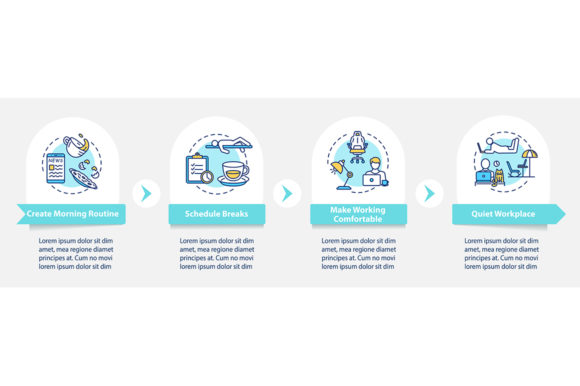
The workflow layout with linear icons in the template provides a clean, modern way to communicate spatial relationships and functional zones. Linear icons are particularly effective in infographics because they are easy to interpret and scale across different formats.
These icons can represent meeting areas, quiet zones, collaborative hubs, and technology stations. When used effectively, they offer a visual shorthand that supports quick comprehension of space usage and flow, making them ideal for both planning and presentation purposes.
Adapting Office Design for Remote and Hybrid Work
With the rise of remote and hybrid work models, traditional office spaces are being reimagined to serve different purposes. Instead of being a place where everyone works individually, offices are becoming centers for teamwork, innovation, and culture-building.
For remote workers, home office setups must also be designed with productivity in mind. The same principles apply—ergonomic furniture, natural light, minimal distractions, and a clear separation between work and personal life. Using the Office Space to Increase Productivity infographic template can help remote teams visualize ideal workspace layouts and understand best practices for maintaining focus and comfort.
How Office Design Impacts Employee Retention
Productivity isn’t the only benefit of thoughtful office design—employee satisfaction and retention are also closely tied to the work environment. Companies that invest in well-designed, flexible, and inspiring office spaces often see higher engagement levels and lower turnover rates.
When employees feel that their workspace supports their well-being and work style, they’re more likely to stay with the company long-term. This makes office design not just a logistical concern but a strategic business decision.
Choosing the Right Tools for Office Space Visualization
Creating a compelling presentation or planning document requires the right tools. The Office Space to Increase Productivity vector infographic template comes in multiple formats—EPS, JPG, PNG, SVG, and AI—ensuring compatibility with various design and presentation software.
These formats allow for high-quality visuals whether you're printing a report, creating a digital presentation, or sharing content online. The vector-based formats (EPS and SVG) are especially useful for maintaining clarity at any scale, while AI files offer full editability for designers working in Adobe Illustrator.
Practical Takeaways for Businesses and Designers
- Use the Office Space to Increase Productivity infographic template to clearly communicate design concepts and workflow improvements.
- Incorporate biophilic design elements to enhance well-being and focus in both office and home workspaces.
- Visualize redesign timelines and spatial layouts using data-driven visuals to improve stakeholder buy-in.
- Design for flexibility to accommodate changing team sizes, work styles, and technological needs.
- Prioritize ergonomic and aesthetic considerations to support both productivity and employee satisfaction.
Final Thoughts on Office Design and Productivity
The way we design office space has a direct impact on how effectively we work. As expectations around flexibility, well-being, and technology evolve, so too must our approach to workspace design. By leveraging tools like the Office Space to Increase Productivity vector infographic template, professionals can better visualize and implement strategies that lead to more efficient, engaging, and supportive work environments.
Whether you're a business owner, interior designer, or remote worker, understanding how to optimize your workspace is more than a trend—it's a necessity for staying productive and competitive in today’s dynamic work landscape.