Infographic Element Templates: Design Tools That Deliver
What Is an Infographic Element Template?
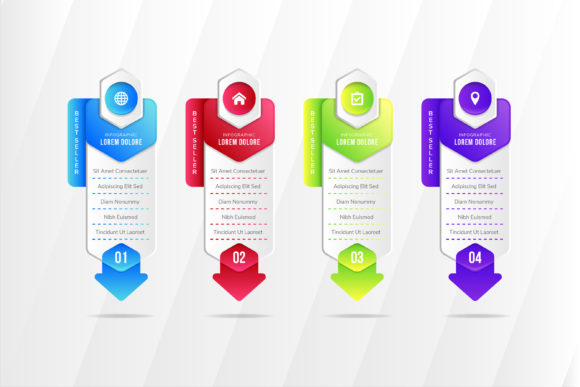
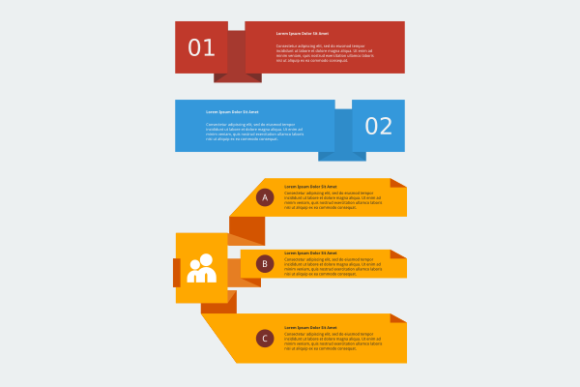
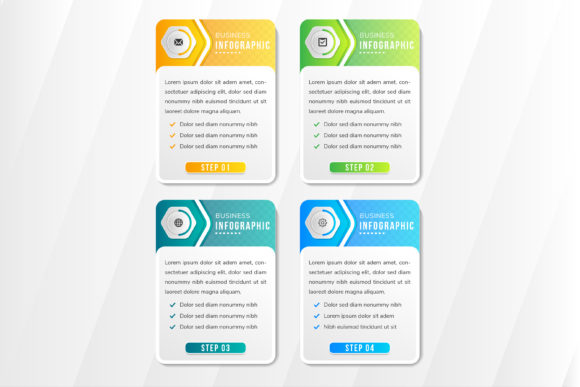
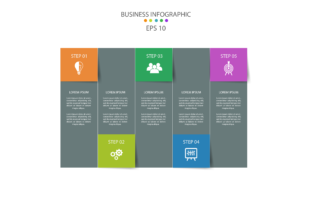
An infographic element template is a pre-designed visual component used to build or enhance infographics. These templates include icons, charts, graphs, text boxes, dividers, and other design elements that help communicate data and ideas clearly and visually. They are commonly used in vector file formats like SVG or AI, which allow for easy customization and scalability without quality loss.
Whether you're a marketer creating a report, a teacher designing a classroom visual, or a business owner preparing a presentation, infographic element templates streamline the design process while maintaining a professional appearance.
Why Infographic Element Templates Matter
Visual communication is more important than ever. With shrinking attention spans and increasing reliance on digital content, people absorb information more effectively when it's presented visually. Infographic element templates make it possible for anyone—not just designers—to create compelling visuals quickly and consistently.
- Time-saving: Eliminate the need to create every visual from scratch.
- Consistency: Maintain a unified look across multiple projects or team members.
- Scalability: Vector-based templates scale without quality loss, ideal for print and digital use.
Key Features of High-Quality Infographic Element Templates
Not all templates offer the same value. When evaluating an infographic element template, look for these qualities:
- Versatility: Can be used across different topics and industries.
- Customizability: Easily editable in common design tools like Adobe Illustrator or Canva.
- Clarity: Clean lines and readable fonts ensure your message comes through clearly.
- Compatibility: Works well with popular platforms and file formats.
- Organization: Includes labeled layers and folders for easy navigation.
Real-World Applications Across Industries
From startups to educators, infographic element templates have broad utility. Here are a few examples of how different professionals use them:
Marketing and Sales
Marketers use templates to create data-driven content for social media, blog posts, and campaign reports. A well-designed chart or timeline can help explain product benefits or customer journeys more effectively than paragraphs of text.
Education and Training
Teachers and trainers use infographic elements to simplify complex subjects. A flowchart explaining a scientific process or a timeline of historical events can significantly improve student comprehension.
Entrepreneurship and Business
Startups and small businesses use infographic templates to present business plans, financial summaries, or market research to investors and stakeholders. Visual clarity helps non-technical audiences grasp key metrics quickly.
Creative and Freelance Work
Designers and freelancers use templates as building blocks for client projects. They can speed up production while maintaining high design standards, especially when working under tight deadlines.
Content Creation and Publishing
Bloggers and publishers use infographic elements to enhance articles and increase shareability. Visual content is more likely to be shared on social platforms, increasing reach and engagement.
Benefits Beyond Visual Appeal
While the visual impact of an infographic is obvious, the benefits of using a well-crafted infographic element template go deeper:
- Improved Communication: Complex data becomes easier to understand at a glance.
- Brand Consistency: Reusable templates maintain a cohesive brand identity across materials.
- Increased Engagement: Visual content captures attention more effectively than text alone.
- Higher Productivity: Saves time that would otherwise be spent designing from scratch.
- Better User Experience: Clear, visually pleasing infographics make it easier for audiences to digest information.
Choosing the Right Template for Your Needs
With so many options available, it's important to select a template that aligns with your goals and skill level. Consider the following factors:
1. Purpose and Audience
Are you designing for a technical audience or a general one? Will the infographic be used in print or online? Choose a template that matches the tone and complexity of your content.
2. File Format and Compatibility
Make sure the template is compatible with your preferred design software. Vector formats like SVG or AI are ideal for scalability and editing, while PNG or JPEG may be better for quick use in presentations or websites.
3. Customization Options
Look for templates that allow you to easily change colors, fonts, and layout. This flexibility ensures your branding remains consistent and your message is tailored to your audience.
4. Licensing and Usage Rights
Always check the licensing terms. Some templates are free for personal use but require a license for commercial applications. Avoid legal issues by understanding usage rights upfront.
5. Quality and Reputation
Download templates from reputable sources. High-quality templates are more likely to be well-structured, error-free, and professionally designed.
Getting the Most Out of Infographic Element Templates
Once you've selected the right template, here are a few tips to make the most of it:
- Keep it simple: Don’t overload your infographic with too much data or too many design elements.
- Focus on storytelling: Arrange your elements in a logical flow that guides the viewer from start to finish.
- Test readability: Make sure your text is large enough and contrasts well with the background.
- Use color strategically: Color can highlight key points or categorize information—use it thoughtfully.
- Review and revise: Just because it's a template doesn’t mean it’s final. Adjust elements to suit your specific needs.
Final Thoughts
Infographic element templates are powerful tools that bridge the gap between data and design. Whether you're a seasoned professional or a beginner, they offer a practical way to enhance your visual communication without requiring advanced design skills. By choosing the right template and using it wisely, you can create engaging, informative, and professional-looking infographics that resonate with your audience and support your goals.